Monsoon Flood Cleanup in Tucson, AZ
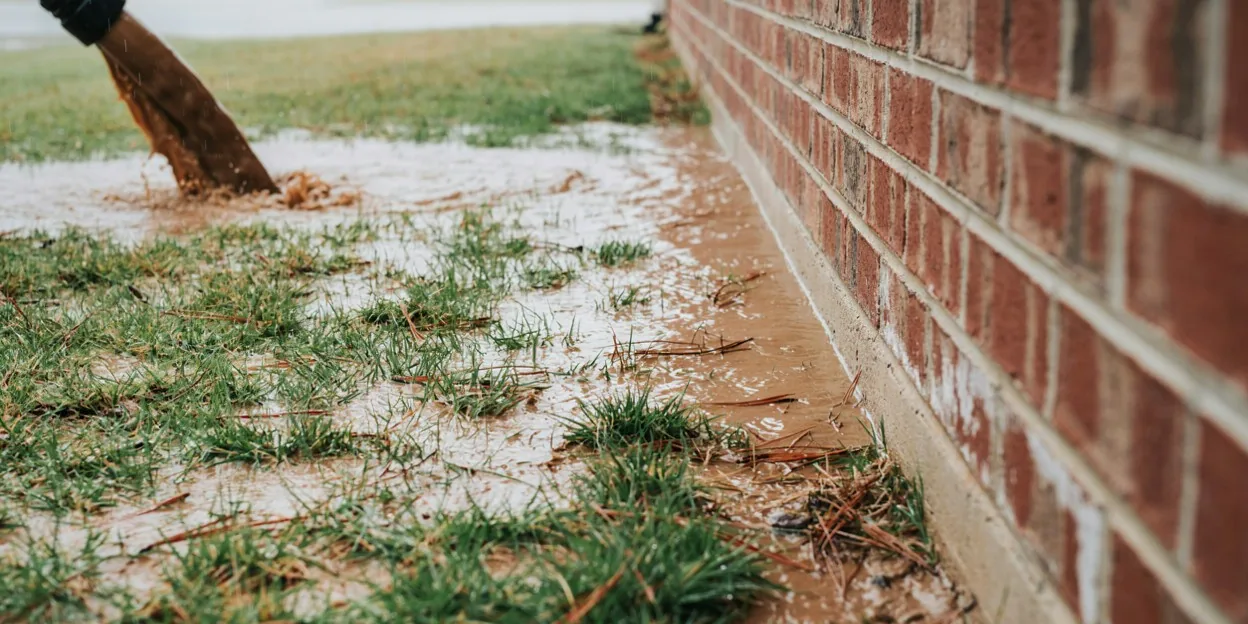
The wash behind the fence has been a dry sand channel since last September. At four in the afternoon a cell built over the Catalinas, and twenty minutes later brown water was running across the yard, under the garage door, and up against the water heater. It left two inches of silt when it drained. This site routes your call to an independent local provider who does monsoon flood cleanup across Tucson and Pima County.
Treating wash water as the dirty water it is
Water that came up from a wash or across a street is not clean. It carries silt, motor oil, fertilizer, and whatever the storm drains and the dry channel collected over eleven months. The provider treats it as contaminated: standing water is pumped, the silt is shoveled and hauled, and porous materials the water touched, drywall, carpet pad, particleboard cabinets, and cardboard, come out rather than being dried. Hard surfaces are cleaned and treated before the drying equipment goes in.
Every wall the water reached is metered above the flood line, because wash water wicks into block and drywall the same as clean water does. With the contaminated material gone, what remains is structural drying of the block and the slab.
What to do before the crew arrives
Stay out of the garage if the water reached an outlet, the water heater, or the electrical panel until the breaker is off. Do not run the swamp cooler. Photograph the high-water mark on the walls, the silt line on the floor, and anything sitting in it. If the water has drained, open the garage door and the windows to move air. Keep children and pets out of the room. Then call and lead with the fact that the water came in from the wash.
What the crew hauls out and what stays
Silt goes. Wet cardboard, carpet pad, and particleboard go. Drywall is cut above the high-water mark and removed. Block walls and the slab stay and are cleaned, treated, and dried. Tile stays. Metal shelving and plastic bins are washed. Soft goods that sat in wash water are usually not worth saving. Ask the crew to photograph everything before it leaves the property so your adjuster sees what was there.
Why Tucson floods in July from a sky that was clear at noon
Tucson gets about half its annual rain between late June and September, and much of it lands in storms that dump an inch or more in under an hour. The ground is caliche and cannot take it, so the water runs into washes that were dry that morning. The Rillito, the Santa Cruz, Pantano Wash, Tanque Verde Creek, and hundreds of smaller channels through Casas Adobes, Drexel Heights, and Rita Ranch all run at once.
July 2021 was the wettest single month in Tucson's records, 8.06 inches at the airport, and the season finished at 12.79 inches, the third-wettest ever. Washes ran bank to bank for weeks and low garages along the river parks took on silt. The benchmark flood is still October 1983, when a five-day storm dropped six to seven inches across the basin and the Rillito and the Santa Cruz tore out bridges and did 64 million dollars of damage. The Pima County Regional Flood Control District maps which lots sit in a wash's reach; if yours does, the flood question is when, not whether.
Water that came through the roof during the same storm is a different job, roof leak water damage. A pipe that let go at the same time is burst pipe water damage.
Standard Arizona homeowners policies do not cover water that rises from outside. That is flood insurance, a separate policy, and many Tucson lots outside the mapped floodplain do not carry it. Say what you have when you call, and ask the provider to document everything either way.
Call while the silt is still wet
Tell us the water came from outside, which rooms it reached, and whether it is gone or still standing. Mention the water heater, the panel, or any outlet it touched. Call (520) 422-6139 and describe what you see.